Written by Katia Griffin
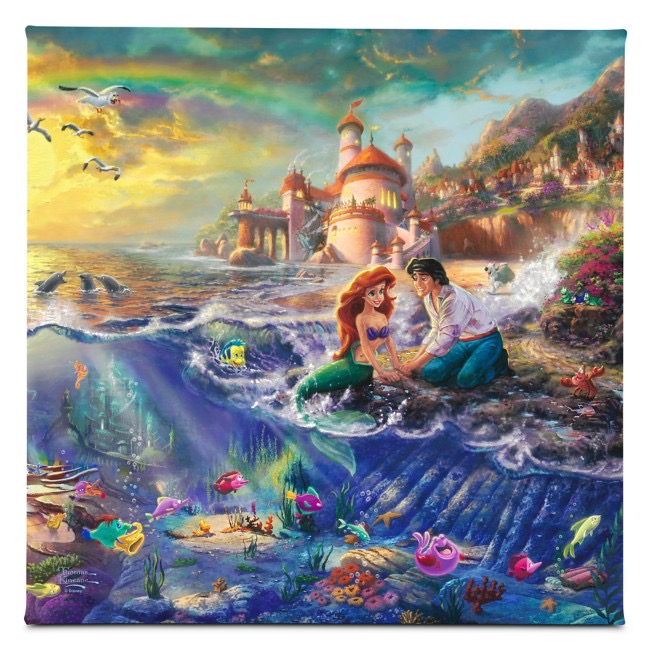
As a toddler, my favorite pastime was dressing up in glittering Disney princess gowns and pretending that I was ruling their kingdoms. My favorite Disney movie was undoubtedly The Little Mermaid; with the enchanting sea creatures, endless exploration, and magical spells, what four-year-old girl would disagree? I yearned to be Ariel, and every time I gazed at the cartoons my little mind marveled at the great beauty of the sea.
“Mama, mama!” I would exclaim, “Is the ocean really as beautiful as Ariel’s kingdom is? Can lobsters actually sing?”
These and many more ridiculous questions sprouted from my thoughts, and now the place I call home is a stone’s throw from the ocean I so greatly adored. Little Katia’s curiosity for the kingdom under the depths mimics the questions scientists have been asking for centuries: What is the ocean?
The seven seas are not simply a backdrop for pirate and mermaid folklore; rather, they hold vital roles in the entire world’s ecosystem. 95% of life resides in the ocean, and scientists have only identified 10% of these creatures. You have to give these marine biologists credit, though, because 2,000 new species are discovered every year! The ocean also keeps us breathing, as it supplies 70% of our oxygen, 1/5 of which comes directly from plankton. Maybe Plankton isn’t really the villain and should be given the Krabby Patty Recipe…just a thought.
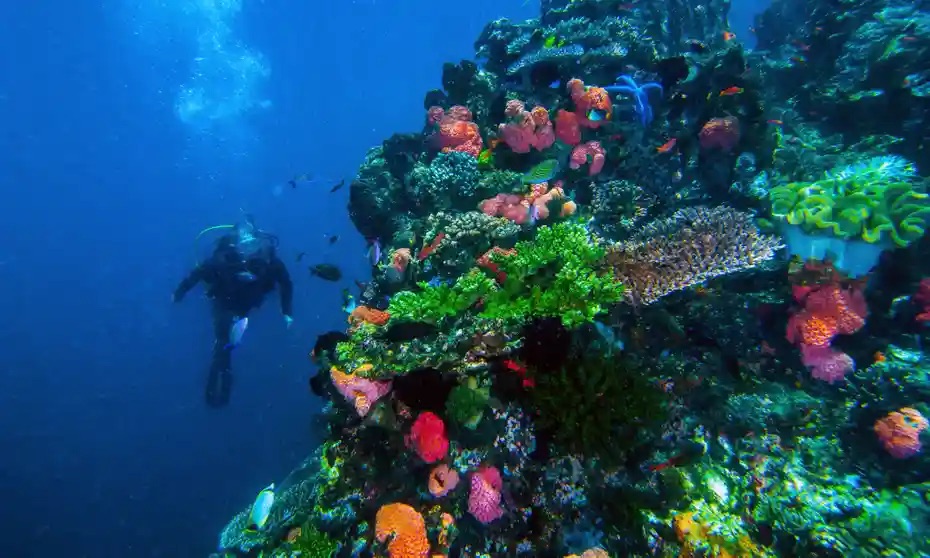
Some aquatic species have unique superpowers that keep them safe in the erratic ocean they call home. Fish in the Antarctic, for instance, have natural “antifreeze” proteins that keep their blood warm and prevents ice crystals from growing on their scales. Likewise, coral reefs produce their own “sunscreen” so that the heat from the sun does not kill their algae. If only I could do that!
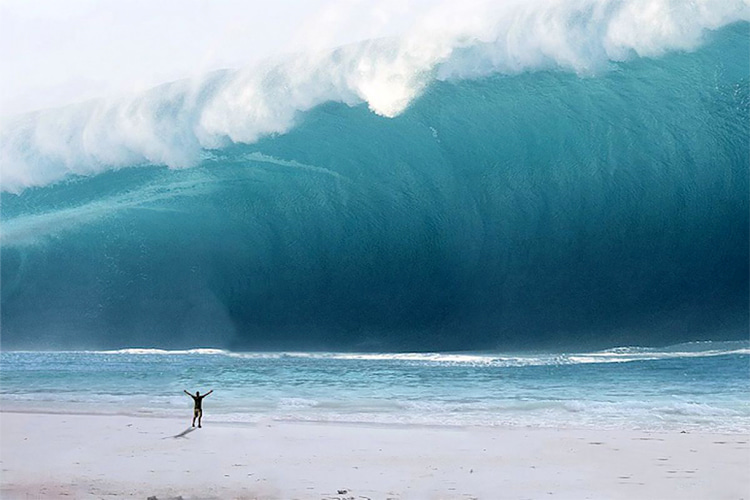
Although I mentioned that the ocean’s purpose is not to accommodate pirate stories, there is no doubt as to why the authors chose such a riveting scene to set their tales. There are an estimated 3 million shipwrecks scattered throughout the seafloor, and 20 MILLION TONS of gold, enough for every person on earth to have 9 pounds of solid gold. No wonder those pirates were willing to face the merciless waves for a taste of that treasure! During their dangerous voyage they wouldn’t only have to worry about the powerful waves, some of which can move at 500 mph (tsunami waves), they also would have had to consider volcanic eruptions. That’s right, 80% of volcanos explode under the ocean, which can result in water temperatures up to 750 degrees F!
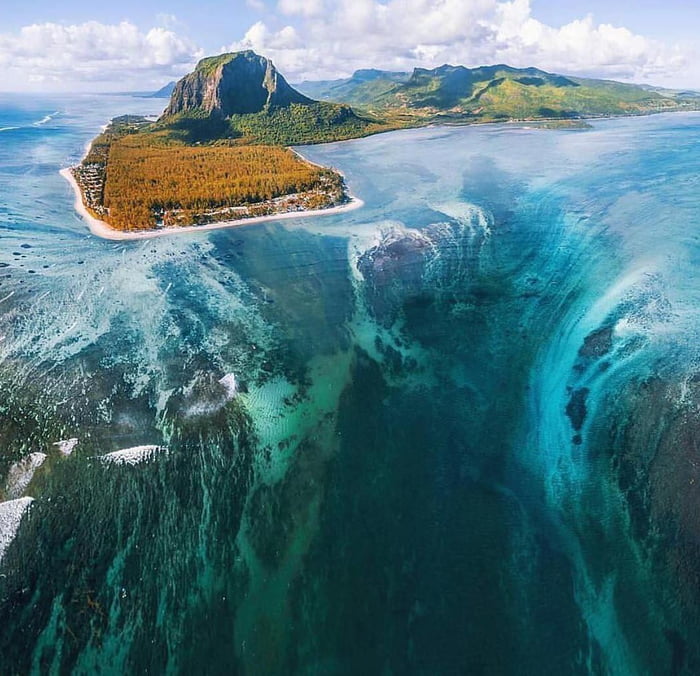
It is not a mystery that the ocean is incredibly deep, but the expanse of its depth is almost incomprehensible. The deepest part of the ocean can fit all of Mount Everest with a lot of room to spare, being 7 miles long. This vast, dark, and deep seafloor shockingly contains freshwater rivers and lakes. The largest waterfall, the Denmark Strait, is under the sea, plunging 11,500 feet below and pouring 175 million cubit feet of water PER SECOND. To help you visualize these depressions and crevices, think about the Grand Canyon being a raisin in comparison to the watermelon-sized craters in the seas. Ariel did not know what she was leaving behind!
The oceans also provide pathways for our digital world to function, as they have cables underwater that allow for international connections. These web-like cords are underwater and are shark-proof to ensure that the animals don’t interrupt computer connectivity. The only thing you should fear in sharks is their ability to cancel your Netflix movie night.
After learning just these marvels of the deep blue sea, I bet all of us are screaming that we want to be a part of this underworld! If only we could all grow sparkly tails and adopt flounders to be our friends, then we might be able to understand more of the great aquatic kingdom. And who knows, since scientists have only recorded 10% of their species, mermaids could very well exist…
Works Cited
Emerald Catron July 19, 2021. “38 Ocean Facts That Will Blow You out of the Water.” Best Life, 19 July 2021, https://bestlifeonline.com/crazy-ocean-facts/.
Rossen, Jake. “25 Things You Didn’t Know about the World’s Oceans.” Mental Floss, Mental Floss, 8 June 2020, https://www.mentalfloss.com/article/501254/25-things-you-didnt-know-about-worlds-oceans.
Shields, Jesslyn. “The World’s Largest Waterfall Is Deep Underwater.” HowStuffWorks Science, HowStuffWorks, 9 Jan. 2021, https://science.howstuffworks.com/environmental/earth/oceanography/worlds-largest-waterfall-underwater-denmark-strait-cataract.htm.
 Drops of Jupiter
Leave a comment